



Game info
Board, Ludo, Multiplayer
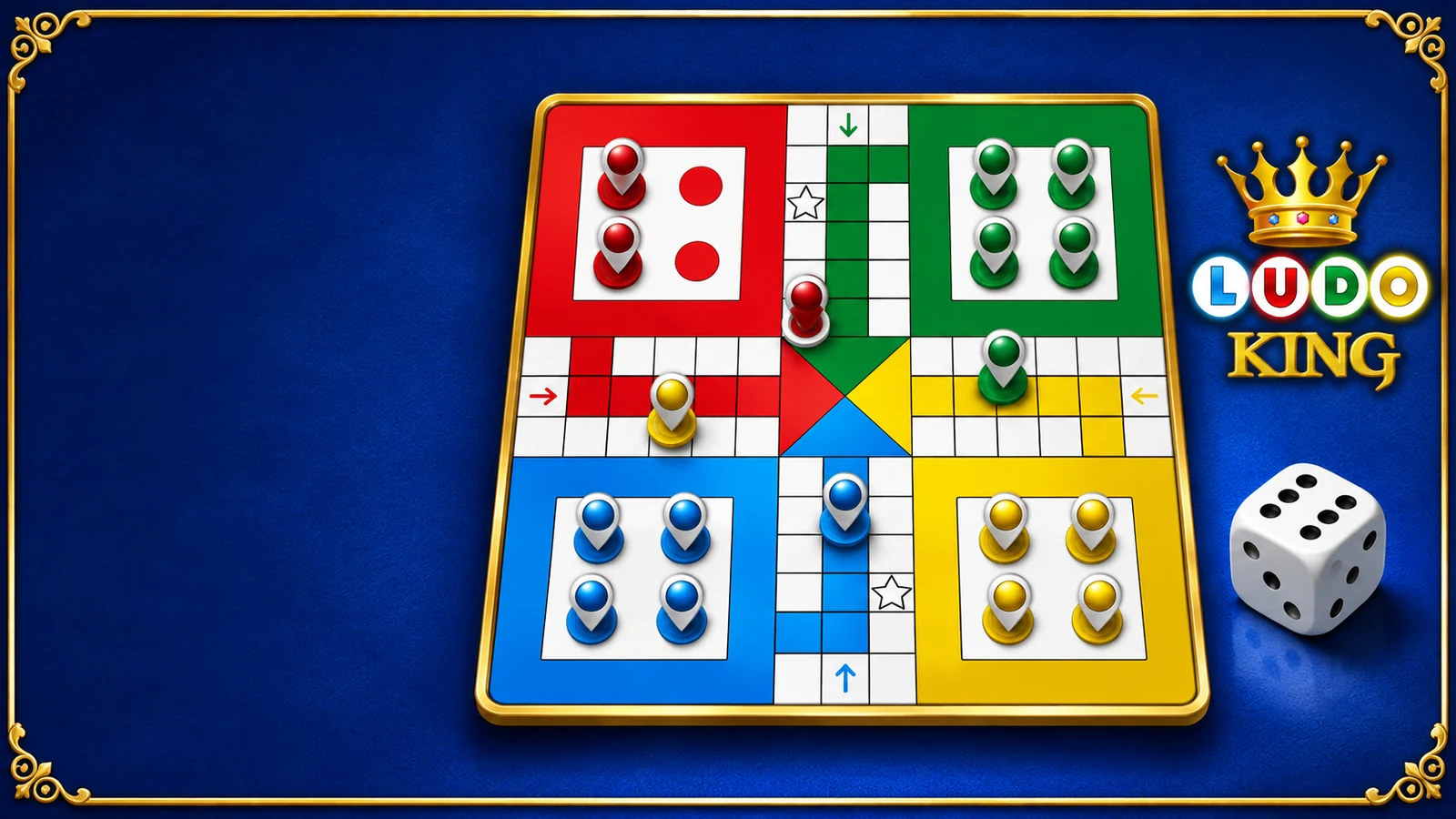
Ludo King turns the familiar race around a four-colour board into a digital game for friends, families and computer opponents. Dice rolls determine movement, but the choice of which token to advance creates the tactical decisions.
About Ludo King
Ludo King turns the familiar race around a four-colour board into a digital game for friends, families and computer opponents. Dice rolls determine movement, but the choice of which token to advance creates the tactical decisions.

Gameplay overview
Roll the die, select a legal token and work towards the home lane. Opening a token, capturing an exposed rival and reaching home have different values depending on where the other pieces stand. Read the selected mode’s rules before assuming safe squares, extra turns or player counts.
How to Play
Develop more than one token so a useful roll does not force your leading piece into danger. Before moving, count the distance from opposing tokens and look for a safe destination. Bringing a token home reduces risk, while leaving every token in the same exposed area can make one unlucky turn expensive.
Controls
tap the die and an eligible token. click or tap the visible die and highlighted tokens.
Pro Tips
- Open a second token when it creates a safer choice on later rolls.
- Count the spaces an opponent needs for a capture before chasing your own.
- Check whether the room uses classic rules or a special mode.
- Do not assume every online opponent or room supports the same house rules.
Making Better Decisions
A useful way to read the board is to compare your available moves before touching a token. One piece may be near home, another may be able to capture, and a third may be exposed to a rival’s next roll. Decide which problem the current roll can solve. Advancing the leading token on every turn can leave the rest of the team unable to use later rolls effectively. Equally, chasing a capture may be poor value if it places the capturing piece directly in danger. Check the room’s safe-square markings and extra-turn rules rather than relying on a version played elsewhere. For a local game, agree on those rules before the first roll so every player understands the same board.
Features, Modes and Progression
The official app offers online and local play options.
Read the whole board before choosing a token
Imagine that one token can reach safety while another can capture an opponent. The capture looks exciting, but compare where the capturing piece will finish and how exposed the rest of your team remains. A useful die result can solve more than one kind of problem. If you always move the leading piece, you may remove the alternatives that make later rolls useful. Check the selected mode’s safe-square markings before counting on protection. In a local session, agree on the mode before starting so every player is making decisions under the same rules.
Make a useful move even when the roll is awkward
An unhelpful roll does not require an impatient choice. Compare the legal destinations of every available token and decide which move leaves the least avoidable risk. Keeping a second piece active can make the next turn more flexible. After the game, review one capture or lost token in terms of the destination you chose, not only the luck of the following roll.
Ludo King modes: online rooms, local games and tournaments
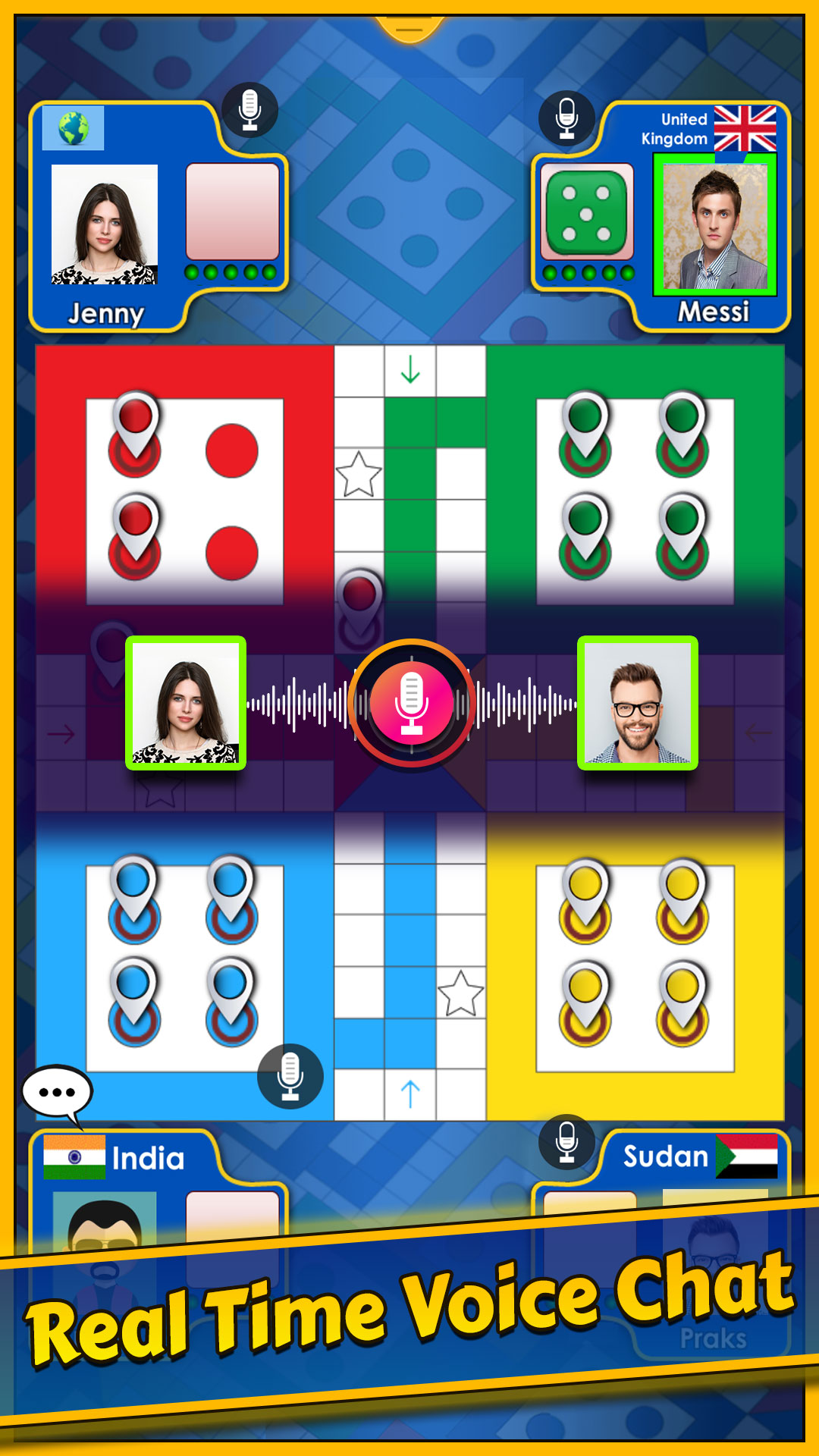
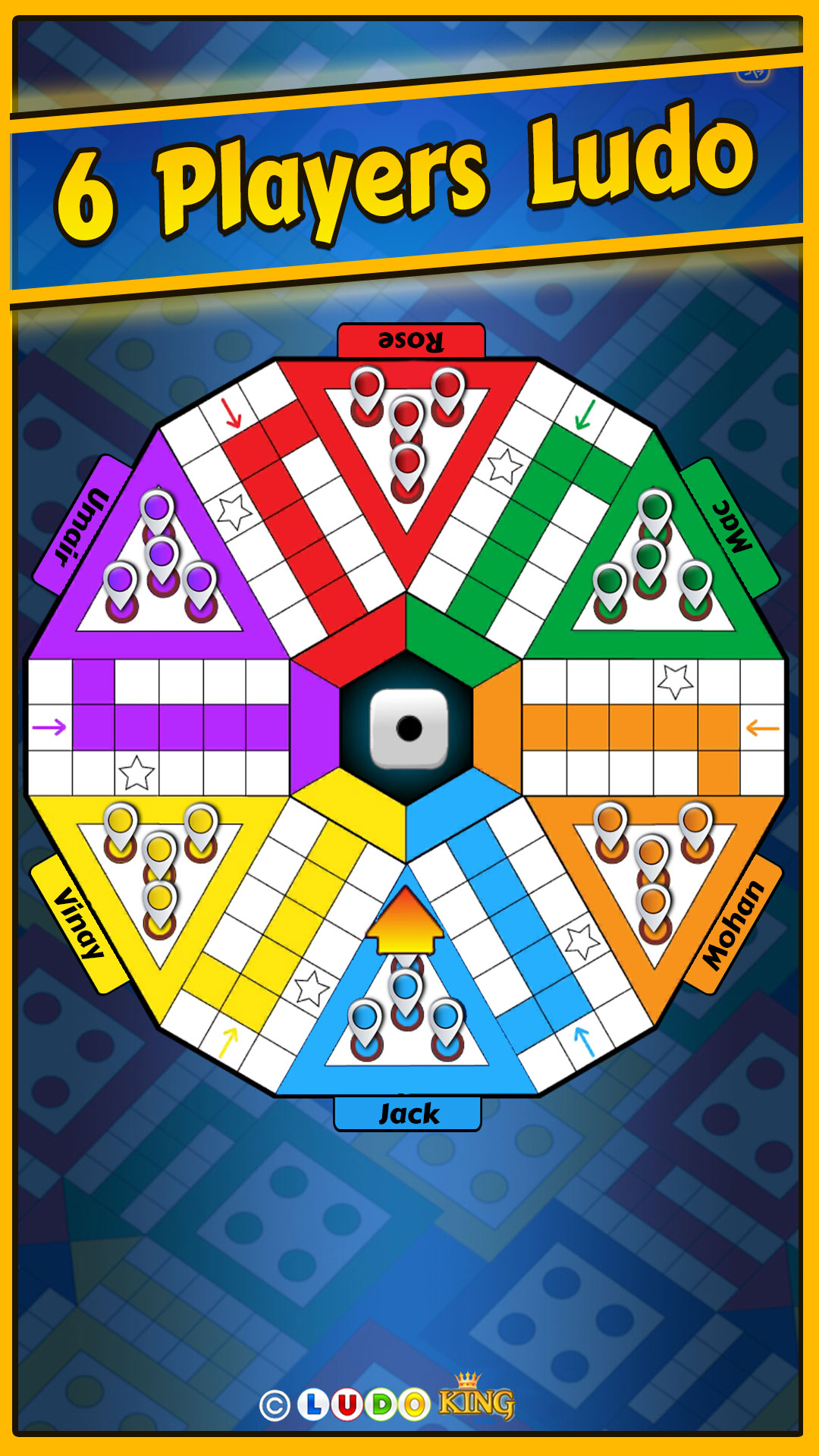
Ludo King brings the traditional board to several ways of playing. The official product describes online matches, computer opponents and local play, so the social setting is part of the choice. A local game is useful when several people want to share a device; an online room lets the players join from separate screens. Read the room options before starting because the chosen mode establishes player count and turn rules.
The published game also includes tournament and club-oriented activities. Those systems give the board a social destination, but they should be considered separately from the rules of an individual match. Joining a group does not explain a protected square or change which token can move on the current roll. Learn the board first, then use the current menu to choose the social experience you want.
Snakes and Ladders and the wider board-game collection
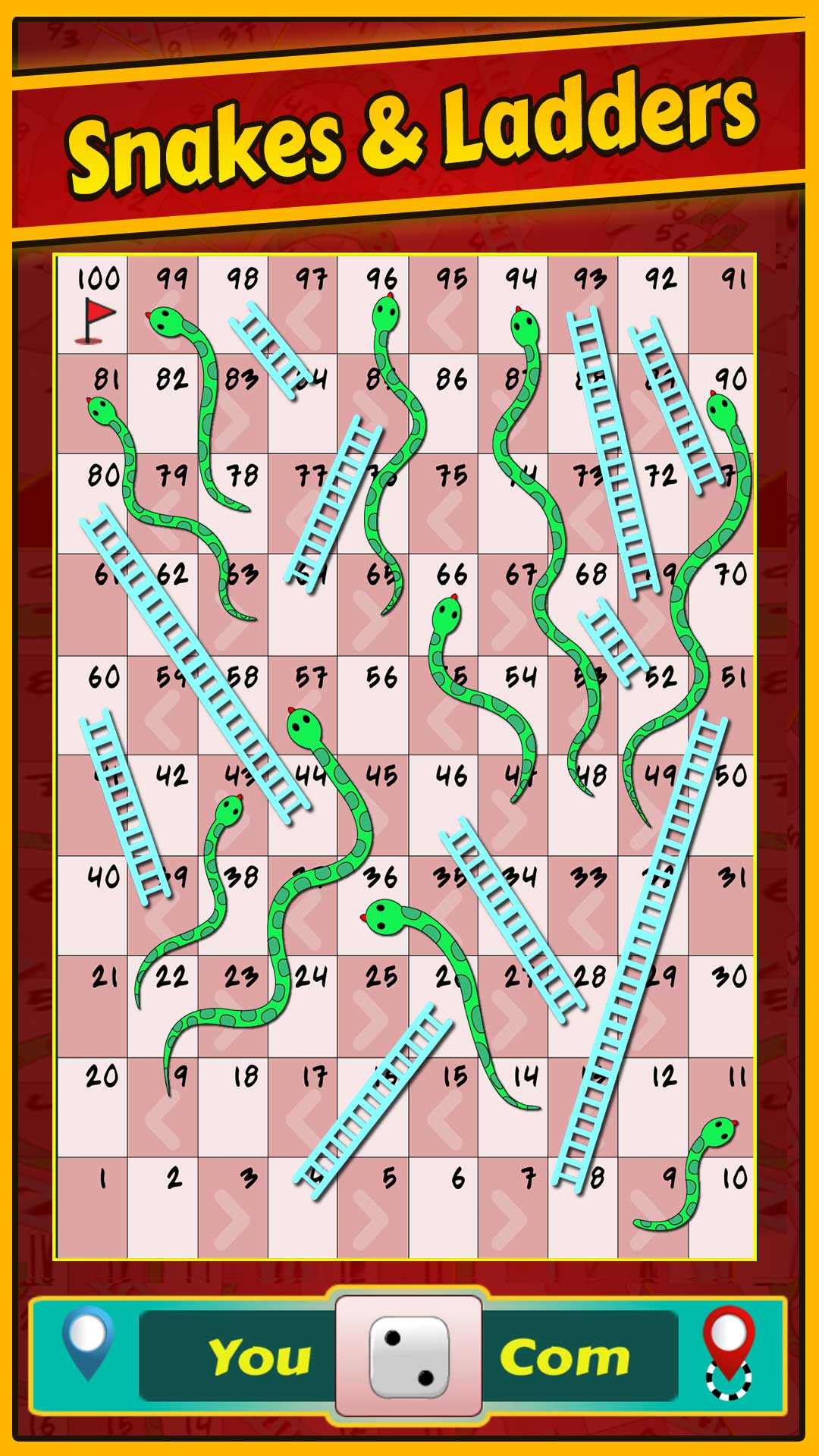
Snakes and Ladders is another game offered within the official Ludo King product. It uses a recognisable numbered-board journey with upward and downward connections, which is a different experience from managing several Ludo tokens. Choosing it changes the game rather than adding a new tactical rule to the Ludo board. Check the selected activity before inviting another person into a session.
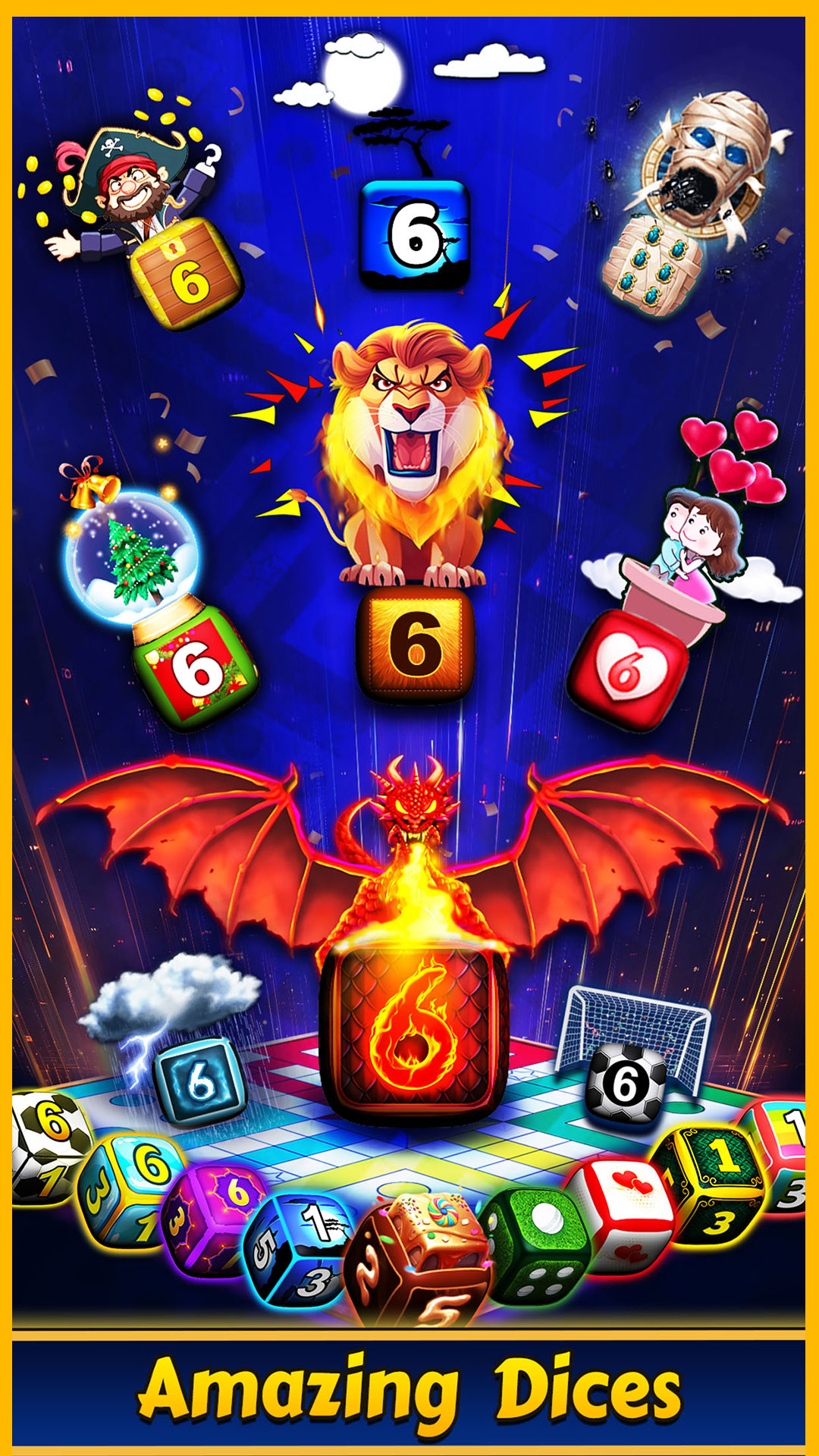
Seasonal themes, dice appearances and daily goals add variety around the core product. Their availability can change, so use the current screen for the active requirements and rewards. A cosmetic choice can make a room feel personal without replacing the value of clear token positions and an agreed ruleset. The durable attraction remains a familiar board made easy to start with other people: enter the right mode, understand the room and take each roll as a new set of legal choices.
Getting a token from the yard to the home lane
Ludo King is easiest to understand as a race with several pieces sharing one route. A token in the starting yard cannot help with a capture or occupy a useful position on the board. A token already travelling can make progress, but it can also be sent back when an opponent lands on its exposed square. Getting every piece moving immediately is not always the best move; keeping every piece waiting can be equally restrictive. The useful question on a turn is which legal move improves the position of the whole team.
Look at the home entrance before moving a leading piece. Reaching the protected final stretch changes its job: that token is now close to completing its journey, while pieces still outside may need more attention. Read the selected mode's finishing rule so you know whether the remaining distance requires an exact result. Count the squares with the board rather than estimating from the animation. A token that looks close to home may still have an exposed stretch to cross.
Capture chances and the cost of being captured
A capture has two effects. It interrupts an opponent's progress and changes the square occupied by your own piece. The second effect is easy to overlook. Before selecting the exciting move, count how far the nearest rival is from the destination. If the piece will become an easy target, compare that exchange with advancing a different token into a safer area. The value of a capture depends on the rest of the board, not simply on whether the option lights up.
It also matters which opposing token you can reach. Sending a piece back shortly after it leaves its yard is different from interrupting a piece near its home lane. Avoid turning that observation into a fixed rule: sometimes your own route to safety matters more. A sound move can still be followed by an unlucky roll. Judge the decision using the positions visible when you made it rather than treating the next random result as proof that the choice was wrong.
Safe squares, spacing and keeping options open
Safe-square markings are part of the rules, so identify them at the start of the session. Do not assume a familiar board colour means protection in every room or special mode. Once the markings are clear, use them as landmarks when comparing destinations. A safe resting point can buy time for another token to catch up and can make an otherwise awkward sequence of rolls less dangerous.
Spacing your active pieces gives later rolls different uses. One token might be able to leave danger, another might approach home, and a third might threaten a capture. Moving all pieces into the same busy stretch reduces that variety. However, spreading out without a purpose can slow the whole team. Think about the next useful decision you would like to have: a route to safety, a chance to finish, or a second piece capable of making progress when the leader cannot.
Playing with friends without confusing the rules
Ludo King supports the social appeal of the physical board game, but a digital room still needs an agreed ruleset. Before inviting people, check the mode, number of players and turn settings shown by the game. Friends who remember different house rules can otherwise disagree about extra turns, starting requirements or protected squares. Let the room's displayed rules settle those questions before a result depends on them.
For a shared-device session, make sure the next person can clearly see whose turn it is before the screen changes hands. Online play adds another consideration: a disconnected or delayed player may not behave like a computer opponent. Use the game's own room and connection information when something pauses. Repeatedly tapping a token is unlikely to solve a turn that is waiting for the server or another player.
A practical Ludo King turn checklist
Start by identifying every legal token, including pieces near the home entrance. Then check whether an opponent can be captured, whether one of your exposed pieces can reach protection, and whether a finishing move is available. Compare those choices before selecting the leading token automatically. This short routine keeps the board readable without turning a relaxed game into constant calculation.
If no attractive move exists, choose the destination that leaves useful alternatives on the following turn. After the match, remember one decision that changed your options: perhaps a second active token rescued an awkward roll, or a capture left the homeward piece exposed. That observation is more useful for the next Ludo King game than assuming a different sequence of dice would have solved everything.
Ludo King downloads, updates and fair expectations
Gametion's official Ludo King website is the direct source for its current releases and official product information. Use the store buttons below for the published mobile listings. Events, cosmetic choices and room options can change, so a particular menu item should be checked in the release being played. Avoid any page promising a guaranteed winning dice sequence: the tactical part is choosing among the legal moves a roll creates.
The best reason to return is the board itself. A short match can contain a clean finish, a risky capture and a surprising recovery without needing a complicated progression plan. Learn the movement route, read protected squares, keep more than one useful token in play, and let each turn teach you something about spacing. Those habits make Ludo King more satisfying whether the session is with family, friends or unfamiliar opponents.
Worked example: progress, protection or a capture?
Suppose a roll gives three legal options. One token can move closer to home, a second can reach a protected square and a third can capture a rival. Start by examining the destinations, not by ranking the actions in the abstract. The homeward token may already be safe enough to wait. The threatened token may be expensive to lose. The capture may leave its own piece on a square an opponent can reach. Comparing those positions is the tactical part of the turn.
Now imagine that the capture interrupts a rival who is nearly home. That changes its value, but it still does not make the rest of the board disappear. Count the route using the actual squares and confirm the protection markings. A decision made with the correct board information can be sensible even when the next die result is unhelpful. The aim is to select a position you can defend as a choice, not to predict a random roll.
Worked example: a token that cannot finish yet
A leading piece may be close to home without being able to use the current roll. Look at the legal alternatives before assuming the turn offers no progress. Advancing another token can create a useful option for a later roll and reduce dependence on the leader. That is why the whole team matters throughout the race. A second active piece can turn a seemingly awkward result into a constructive turn.
After playing the move, take one look at the new board. Which token is now most exposed, and which destination would be useful on the following turn? You do not need an elaborate calculation to make that check. It establishes a clear relationship between the last decision and the next one, which is the foundation for improving beyond moving whichever token is highlighted first.
Keep the match comfortable to follow
Give the die animation and turn indicator time to settle before tapping again. On a shared screen, make sure the next player recognises their colour and active pieces. On a small display, enlarging the page or using an appropriate orientation can help distinguish nearby squares. Read the game's own options before changing a room in the middle of a match. Clear information and an agreed ruleset let the interesting part remain the board rather than an avoidable disagreement about the interface.
Related games
Frequently asked questions
Is Ludo King mainly luck or strategy?
The die introduces chance, while choosing which token to move affects exposure, captures and the route home.
Can I play Ludo King with friends?
The official app advertises multiplayer and local options. Confirm the room type and supported player count in that edition.
Who develops or publishes Ludo King?
Gametion
Is it free?
The observed Google Play listing is free to download and offers in-app purchases. A browser alternative has its own provider terms and may include adverts.
Can I use my official account or saved progress in a browser alternative?
No account, purchase or save transfer is established unless the developer explicitly documents it for that build.
What games should I try next?
Compare Ludo, Parchisi, Snakes and Ladders, board race. The related list prioritises shared mechanics and preserves each game’s real identity.

Good game? Tell us.0
Share a tip, celebrate a high score, or tell us what you think. Keep it friendly.